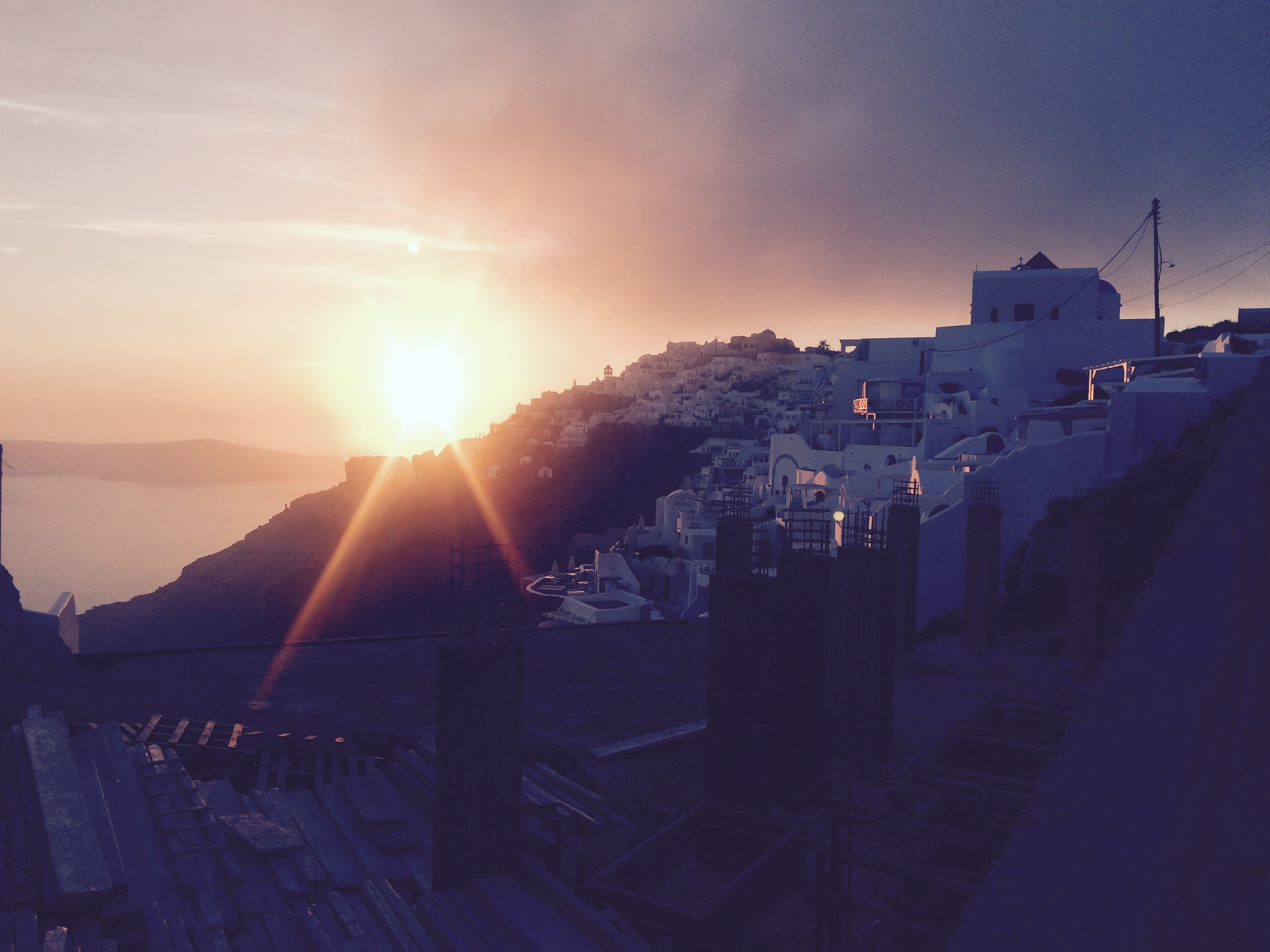
In 2013, I started volunteering at Chicago Women*s Health Center. One afternoon, I was doing some filing, and I met a woman who was working the front desk. She was small and spectacled, and wrapped up in bright, striking colors and textures. She had a warm, maternal energy, sitting in a nook of the office at the phone and desk, among the brown wood paneling of the office; I have to say honestly that I didn’t take her face in that much in that first meeting. I was new and I was nervous. and my jeans were too tight; I wasn’t paying much attention. I wanted to get right the job I’d been given.
I was standing a few feet away from her filing away, and she was sitting with her back to me. At one point she turned around and said to me, “Are you a healer?”
I didn’t know what to say.
The question took my breath away. I absolutely thought the answer was Yes.
It was something I’d felt to be true about myself, wanted to be true, for some time. Working as a healer was the reason I was about to enter yoga teacher training; it was something I felt I’d experienced as a teacher of writing. It was certainly something I experienced as a student of writing, and I hoped to gift it to other students who were studying writing.
For someone who didn’t know me at all—at all—to recognize that in me so quickly, was astonishing. It knocked me out that she was able to see it in me; her powers of perception were so great, she was able to look right at me and tell. I also wondered if it was shining right out of my face. I thought I was just a regular person hiding the ambitions of wanting to help others heal, but maybe, as is so often the case with my thoughts and my feelings, I wasn’t keeping a secret or hiding anything from anyone.
Healer is not a label I wear easily. Even as I reflect on this interaction, even as I want to (and learn to) work as a healer, I don’t identify as one. I feel like an apprentice. I don’t heal people, people heal themselves. I’m the person ushering the healing process, but I’m not actively doing what that person couldn’t do. I’m a witness to each person’s healing experience.
I don’t yet know what it means to be a healer in yoga, or in writing, or especially in women*s health. What I do know is that healing is fascinating. Healing involves pain, injury. It’s not all roses and crystals and chocolates, and luscious savasanas with incense wafting up to the heavens. It’s ugly, it’s painful, and it’s bloody. It’s hard work; you have to want to heal. There are so many people who don’t want to heal, who would rather remain in their misery and illness, in the painful, stunted familiarity of what they know, rather than take the leap into newness and wholeness by healing.
So what is healing, really? How do we pursue healing? How do we avoid healing? Do we heal in community, or only on our own? What happens when our healing is tied up with someone else’s? What happens when we try to heal, even though others are unwilling to?
I’ve been kicking around a new creative project lately, and I think this is it.

#31DaysofHealing
Starting this Saturday, August 1, I’ll use Instagram as a platform to share images that open this conversation around healing. Every day for one month, I’ll share a photo that I’ve taken with the hashtag, #31DaysofHealing. I’ve never done something like this before, and it’s probably clear that I’m a text-based creative type, and not so much an image-based one, so we’ll see what happens. But I’m really excited about this challenge and what it has to teach me. Wanna join me? Feel free. I’d love it if you follow me on Instagram, or check out the hashtag to see what kinds of stories I’m able to tell. Tag me in photos as we explore together what healing looks like, what it means, when it's thwarted and how it's realized.
My Parameters
I could call these rules, because I like structure. (All my Pitta-predominant people in the house, say “You’re not doing that right!”) But instead, I’m trying to look at it as a list of options. I don’t want to box myself in with a structure, to allow tight boundaries of a project like this to dampen my creative process. I want to show up with the tool and see what emerges.
- I'll post one picture a day, by midnight at the latest
- each photo will be labeled for its day, i.e. #Day1, Day12, Day24 and will bear the hashtag #31DaysofHealing (and probably some others too)
- whenever possible, I'm the one hitting the shutter button
- at least one portrait
- at least one landscape
- at least one still life
- at most one selfie a week (I'm not big on selfies anyway)
That's it! That's all the rules I'm giving myself: a theme, a handful of image suggestions, and whatever my little creative brain can come up with. I'm excited about what might happen. Hope you'll join me!